Struggling with high costs for custom parts1? Traditional molds are expensive and slow. Our laser cutting service2 delivers precise parts quickly, without the need for expensive tooling.
A laser cutting service2 is a game-changer because it offers unmatched precision3, speed, and flexibility. It can cut complex shapes4 from many materials without expensive molds. This makes it ideal for everything from rapid prototypes5 to large-scale production, saving you time and money.
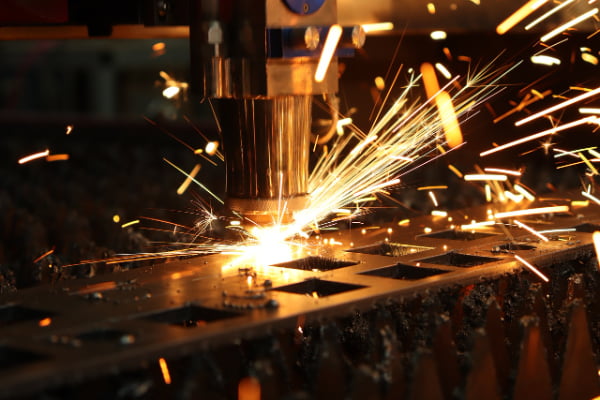
You see the amazing results, but how does it actually work? It's a fascinating process that combines powerful light with computer control. Understanding this helps you see why it’s so powerful for manufacturing. Let's explore how this technology can transform your production line and help you stay ahead of the competition.
How Does Laser Cutting Achieve Such Incredible Precision?
Are your parts failing quality checks due to rough or inaccurate cuts? Poor cutting leads to waste and project delays. Laser cutting provides clean, exact edges every single time for perfect results.
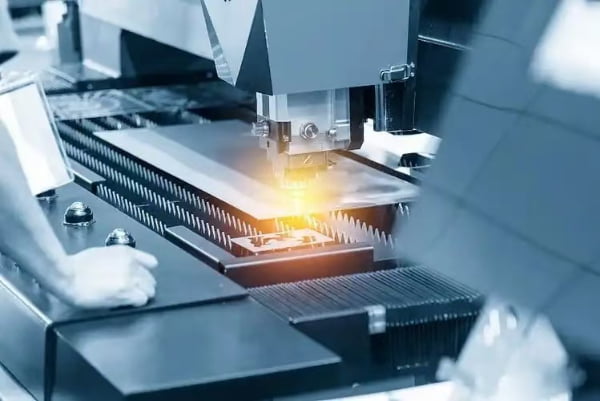
Laser cutting achieves high precision3 by using a computer-controlled6, highly focused beam of light to melt or vaporize material. This non-contact process avoids tool wear and material stress. The result is extremely accurate cuts with smooth edges and a very small heat-affected zone7.
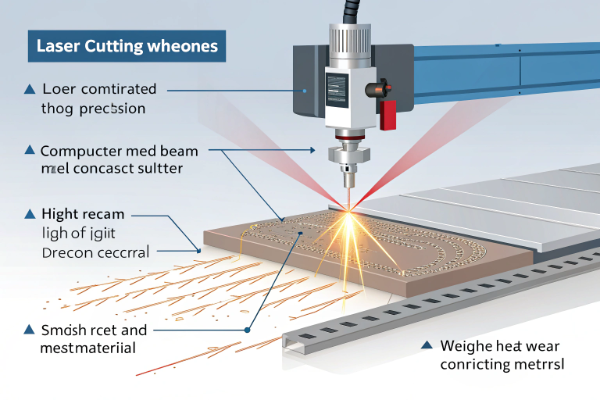
At our company, we've seen firsthand how precision3 makes or breaks a project. The magic of laser cutting lies in its control and focus. A computer guides the entire process. We simply upload a digital design file, and the machine follows the path perfectly. This means the first part is identical to the last, with tolerances as tight as a few thousandths of an inch.
The laser itself is a concentrated beam of light. This intense energy is focused on a tiny spot, allowing it to melt, burn, or vaporize the material with incredible accuracy. Because the laser never physically touches the metal, there is no tool wear to worry about. This is different from traditional stamping or machining, where tools get dull and need replacement. This non-contact method also means less stress on the material, which prevents warping.
Here's a simple breakdown of how it compares to other methods:
| Feature | Laser Cutting | Plasma Cutting | Mechanical Stamping |
|---|---|---|---|
| Precision | Very High | Medium | High (depends on mold) |
| Edge Quality | Smooth, Clean | Good, some dross | Clean, can have burrs |
| Heat-Affected Zone | Very Small | Larger | None (mechanical stress) |
| Complexity | Excellent for intricate shapes | Good for simple shapes | Limited by mold design |
| Tooling Cost | None | None | Very High |
Our machines, ranging from 3000W to 20000W, can handle different materials and thicknesses, always delivering that clean, precise cut our customers depend on.
Which Industries Depend on Laser Cutting the Most?
Wondering if this advanced technology fits your industry? Many businesses think high-tech manufacturing is not for them. But laser cutting is surprisingly versatile and benefits almost every sector you can imagine.
Industries like automotive, aerospace8, electronics, and medical manufacturing heavily depend on laser cutting. They use it for everything from car body panels and aircraft components to intricate medical devices9. It is also essential for creating custom fixtures and architectural elements, showing its wide-ranging use.
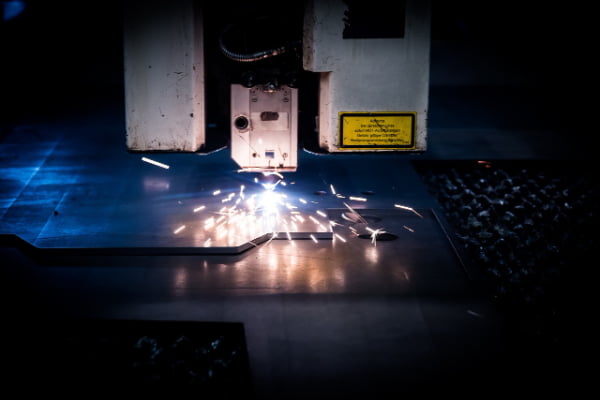
Over the years, I've worked with clients from so many different fields. It's always exciting to see the unique ways they use our laser cutting service2s. The common thread is the need for speed, accuracy, and the ability to create complex or custom parts1.
Key Industry Applications
- Automotive & Aerospace: These industries need strong but lightweight parts. We use laser cutting to create precise frame components, brackets, and panels from high-strength steel and aluminum alloys. The accuracy is critical for safety and performance.
- Electronics: Think about the inside of your phone or computer. Laser cutting is used to create tiny, intricate components and enclosures for electronic devices where every millimeter matters.
- Construction & Architecture: We often get requests for custom decorative panels, signage, and structural components. Laser cutting allows architects and contractors to bring complex designs to life in metal.
- Industrial Equipment & Fixtures: This is a core part of our business. Many of our clients are industrial equipment10 manufacturers. They need custom jigs and fixtures to hold parts during assembly or welding. We can take their design and quickly produce a precise fixture that improves their production efficiency. This is a perfect example of a B2B application11 where our service directly helps another manufacturer.
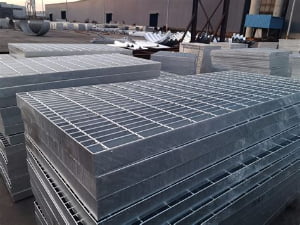
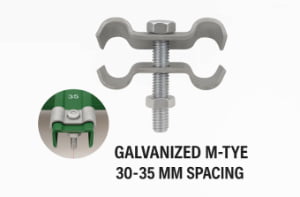
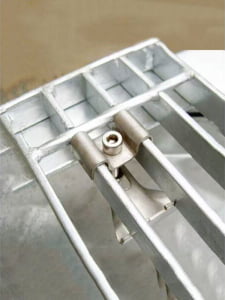
Because we can cut everything from thin sheet metal to thick plates, the possibilities are nearly endless. We help steel grating manufacturers create custom-sized panels and we produce thousands of specialized guardrail clips for large infrastructure projects. This flexibility is what makes it a cornerstone of modern manufacturing.
Can Laser Cutting Really Save You Time and Money?
Is your project budget stretched thin by high tooling costs12? Waiting weeks for a new mold to be made can kill your timeline. Laser cutting eliminates these costs and delays, especially for prototypes and small batches.
Yes, laser cutting saves significant time and money. It requires no physical molds, so you avoid high upfront tooling costs12 and long lead times. This allows for rapid prototyping and quick design changes. Plus, smart software arranges parts to minimize material waste, further reducing costs.
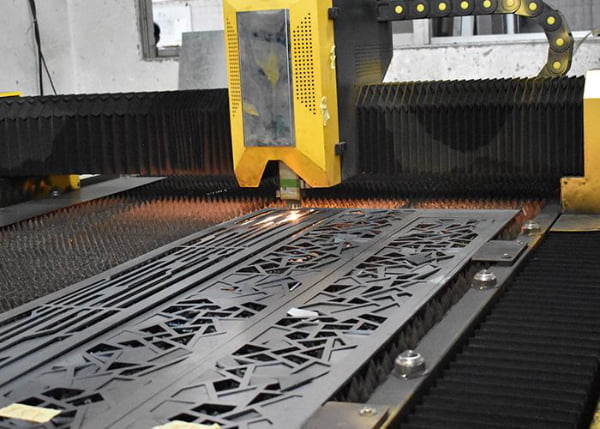
I remember a client who needed a custom bracket for a new machine. With traditional stamping, they were looking at a $5,000 mold cost and a six-week wait, just for a prototype. We were able to laser cut the part from their drawing and have it ready in two days for a fraction of the cost. This is the power of tool-less production.
How You Save
- No Tooling Costs: The biggest saving, especially for small to medium-sized runs, is the elimination of dies and molds. This is why we say we offer "mold-free or low-mold production." You can test a design or produce a small batch without a huge financial commitment.
- Faster Turnaround: Going from a digital file to a finished part can happen in hours, not weeks. This speed is critical for rapid prototyping. If a design needs a change, we just adjust the file and cut a new version. This agility helps our clients get their products to market faster.
- Reduced Material Waste: We use special software called "nesting" software. It automatically arranges all the parts to be cut on a sheet of metal in the most efficient way, like a complex puzzle. This minimizes scrap material, which lowers the cost per part and is better for the environment.
Here is a simple cost comparison13 for a 100-piece prototype run:
| Cost Factor | Traditional Stamping | Laser Cutting Service |
|---|---|---|
| Tooling/Mold Cost | $5,000 | $0 |
| Lead Time for First Part | 4-6 Weeks | 1-2 Days |
| Cost Per Part | Low (after tooling) | Moderate |
| Design Change Flexibility | Very Low (new mold needed) | Very High (just update file) |
| Total Cost for 100 Parts | ~$5,500 | ~$500 |
For prototypes, custom jobs, and small batches, the choice is clear. You save time, reduce risk, and keep your project moving forward.
Conclusion
In short, laser cutting offers superior precision3, speed, and cost savings. Our advanced service is ready to handle your custom manufacturing needs and bring your unique designs to life.
Discover innovative methods for producing custom parts quickly and cost-effectively. ↩
Explore how a laser cutting service can enhance precision and efficiency in your manufacturing process. ↩
Learn about the critical role of precision in ensuring quality and performance in manufacturing. ↩
Uncover techniques for efficiently cutting intricate designs in various materials. ↩
Find out how rapid prototyping can accelerate your product development cycle. ↩
Learn how computer control enhances accuracy and efficiency in manufacturing processes. ↩
Understand the implications of the heat-affected zone on material properties and quality. ↩
Learn how laser cutting improves precision and safety in aerospace components. ↩
Discover the importance of laser cutting in creating intricate and precise medical devices. ↩
Discover how laser cutting is revolutionizing the production of industrial equipment. ↩
Learn how businesses leverage laser cutting services to enhance their manufacturing capabilities. ↩
Explore strategies to minimize tooling expenses and improve your bottom line. ↩
Understand the cost benefits of laser cutting versus traditional methods for your projects. ↩